English
 русский

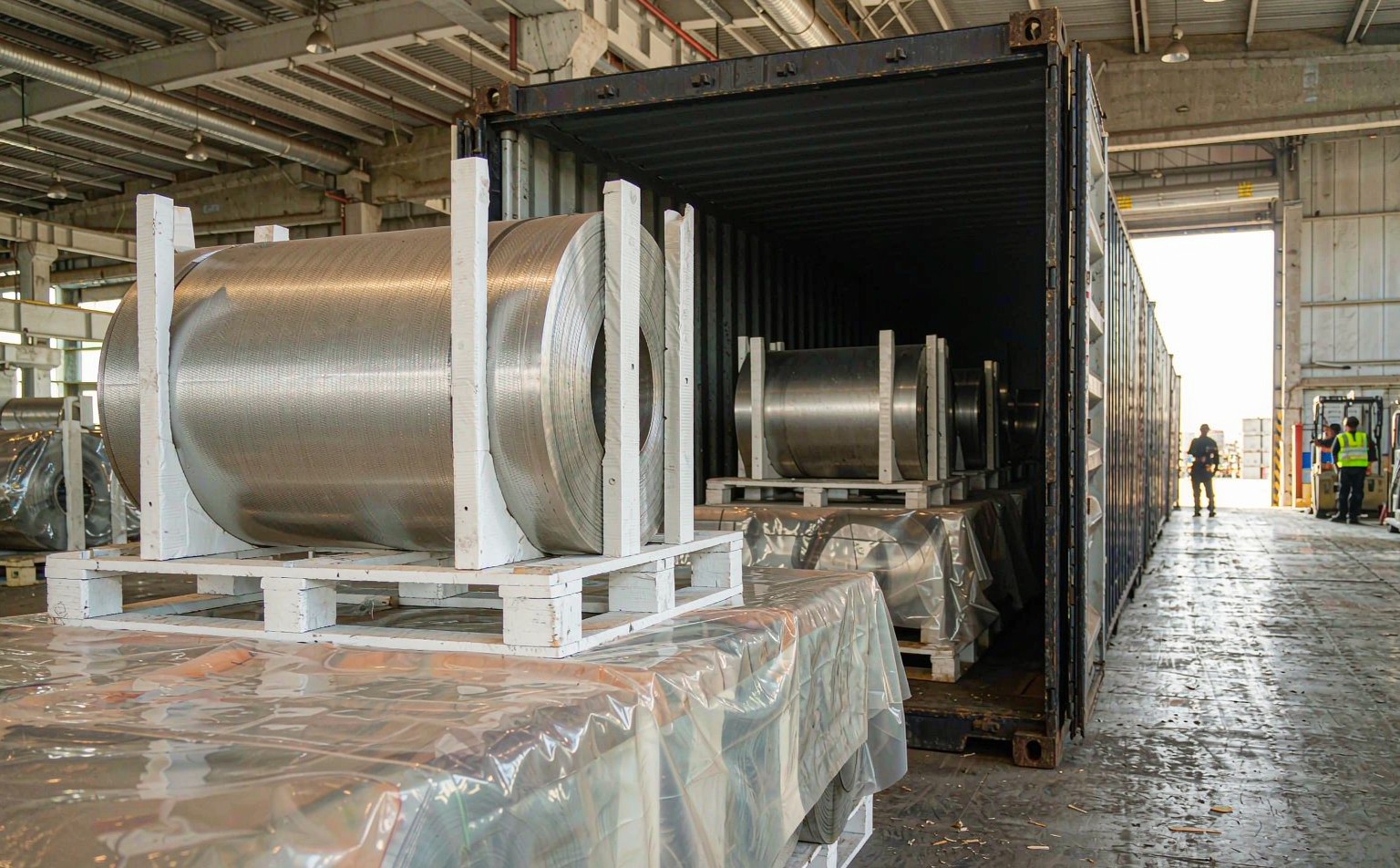
Stainless strip coils on wooden pallets being loaded into a shipping container for export.
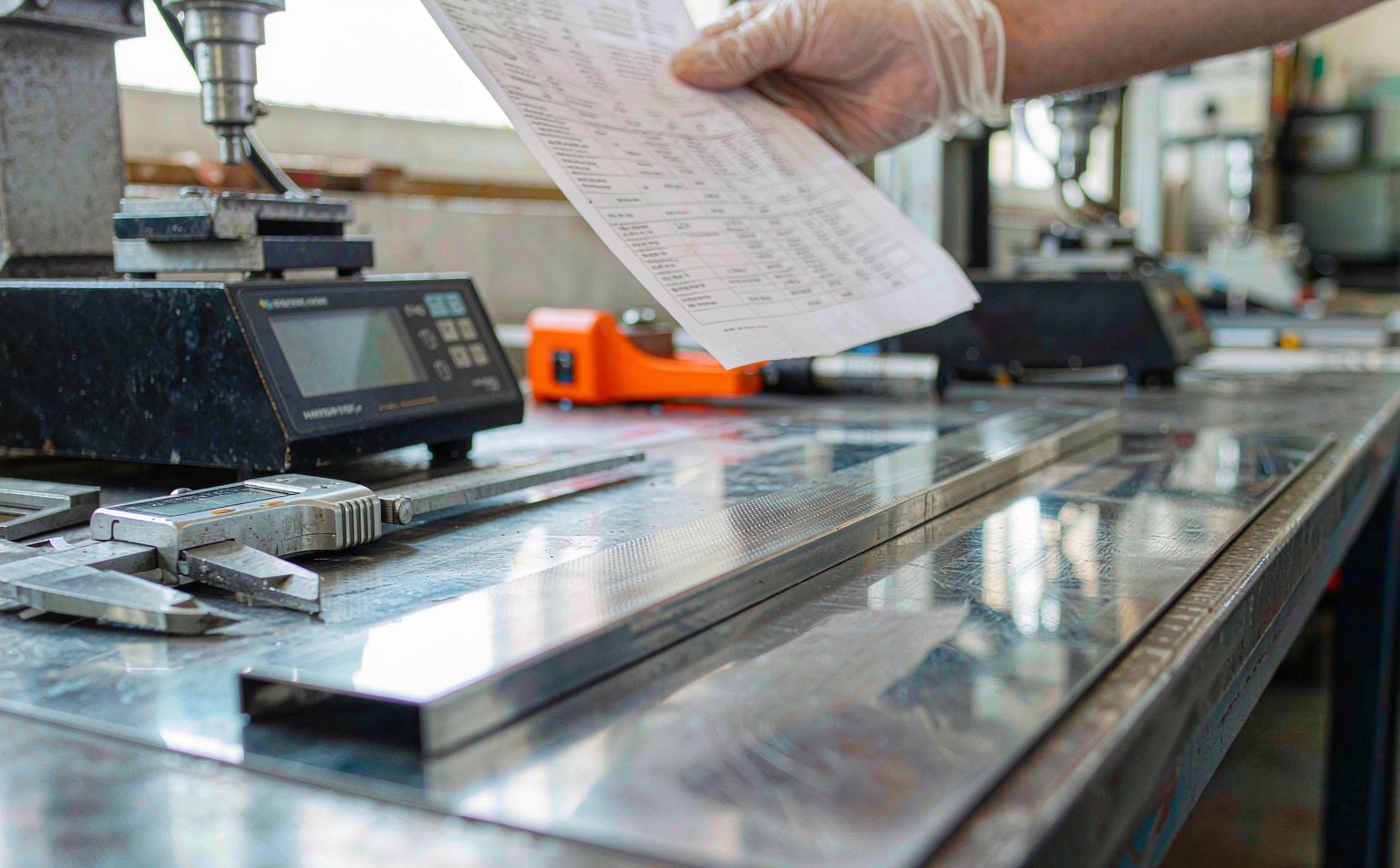
A quality inspection bench with a strip sample, caliper and mill test certificate.
The EU Carbon Border Adjustment Mechanism entered its definitive regime on 1 January 2026. Importers of iron and steel above 50 tonnes a year must hold authorised CBAM declarant status, declare embedded emissions, and — from February 2027 — buy certificates priced off the EU ETS. For European buyers of stainless strip, carbon data has joined price and tolerance on the RFQ.
The rules, in dates
CBAM timeline
|
Date |
What applies |
|
1 Jan 2026 |
Definitive regime starts; importers above the 50-tonne threshold need authorised declarant status |
|
31 Mar 2026 |
Deadline for concerned importers to apply for authorisation |
|
1 Feb 2027 |
Sale of CBAM certificates begins (deferral agreed in Regulation (EU) 2025/2083) |
|
30 Sep 2027 |
First annual declaration and certificate surrender, covering 2026 imports |
|
From 2028 (reported) |
Possible extension to downstream products, including automotive parts and appliances |
Two details matter for 2026 shipments. First, the obligation already attaches to 2026 imports even though certificates are not bought until 2027 — the emissions data has to exist now. Second, the data must be verification-grade: accredited verifiers, production-step accounting, not estimates on a letterhead.
The five questions European buyers now ask
- Can you provide embedded-emissions data per production step — rolling, annealing, slitting?
- What share of scrap and what energy mix does the mill run?
- Is the mill test certificate EN 10204 3.1 and traceable to the heat number?
- Who handles export documentation — an agent, or the supplier's own export company?
- Will the data survive third-party verification when the certificates are surrendered in 2027?
What a supplier should have ready
Preparation is bounded work for a single-site mill. Ningbo Huali Steel's rolling, bright annealing, leveling and slitting all sit on one 5,000 m² site with a 42,000-tonne annual programme, so emissions data has to be collected for one site, not reconciled across three. Every shipment already carries an EN 10204 3.1 certificate traceable to the heat number, and export documentation — Incoterms, packing, logistics — has been handled in-house by affiliated Ningbo BOA Steel since 2018. If CBAM extends to downstream products around 2028, the buyers who will move fastest are the ones whose strip data is already verification-ready.
When did CBAM start charging money?
The definitive regime applies from 1 January 2026, but certificate sales were deferred to 1 February 2027 under Regulation (EU) 2025/2083; the first surrender covering 2026 imports is due by 30 September 2027.
Does CBAM apply to stainless steel strip?
Yes. Iron and steel is one of the six CBAM sectors, and semi-finished and flat steel products including stainless strip fall within its scope; the 50-tonne annual threshold exempts only the smallest importers.
What documents should a Chinese strip supplier prepare for CBAM?
Production-step emissions data, scrap and energy records, EN 10204 3.1 certificates traceable to heat numbers, and clear export documentation from the party legally making the shipment.